Tuesday, October 16, 2012

6 Tricks to Kick the Habit of Eating Junk Food

Given our nation's exploding obesity and diabetes rates, means you very well could be a junk food junkie. The good news is that with a few tricks and a little hard work, you can keep those sugar monkeys off your backs under control. Why we're hooked on Junk Food It's safe to say that junk food addiction is a very real thing. Look at the ever-mounting scientific evidence, including a recent study out of Sweden showing that the hormone ghrelin, which activates the brain's reward system and increases appetite, reacts similarly to sugar and alcohol. We also have 24-hour access to decadent foods. In the book The End of Overeating, Dr. David Kessler theorizes that manufacturers have, over the years, engineered the balance of fat, sugar, and salt in junk food to the point of making it irresistible. It's referred to as "conditioned hypereating." How to control the addiction A well-trained body goes a long way towards helping a slightly off-kilter mind. For example, forcing down a slice of Sara Lee® heaven, would physically make me sick. After years of clean eating, my digestive system has lost its ability to handle the toxic effects of a sugar spike like that, not to mention the preservatives and additives. Due to my disciplined nature I can limit myself to one or two bites. If you're going to break a sugar habit, it's going to take time, patience, and willpower. Here's where to start. 1) Clean all the junk food out of your home. If it's not in your home during those times of craving, it's most likely you're going to leave the house to go get it.
2) There's also "unconscious eating" to worry about—when you grab a bag of fried carbs while you're sitting in front of the TV and eat the whole bag for no reason. If you don't have access to the junk, the only bag you'll be able to grab for will be filled with baby carrots. If someone brings some junk over for a dinner party, enjoy it with them and dump the rest when they leave. 3)
Use the 80/20 Rule, make 80% clean choices, relax with that other 20%. Just because your kitchen cupboard no longer looks like a movie theater concession stand doesn't mean you can't live it up sometimes. If most of your diet is super tight, you're doing great, so cut yourself some slack. Allow yourself one cheat day. Knowing you have a cheat day to look forward to makes all the celery on the other days much more palatable. Make a comforting ritual out of eating healthy. Unhealthy eating is often ritualistic—something comfortable and constant that you can depend on. You can learn to have a conscious, controlled, weekly moment of indulgence—but also you can learn to replace unhealthy rituals with healthy ones. For example, instead of having a couple beers at night while watching TV, you can replaced it with a cup of herbal tea. It takes 21-days-to-form-a-habitso eventually a behavior pattern will be set. After a few weeks you will not miss beers. Then, after a few more weeks you will start craving the calming, peaceful feeling for your cup of tea. It has now become your nightly ritual. 4)
Carry healthy foods with you at all times. If you carry a purse or a backpack, throw an apple or some raw nuts in there. In this Fast Food Nation, it's pretty easy to find yourself in situations where you're hungry and just have no choice but to buy a donut because that's the only thing you have access to.
You don't have that excuse if there's a snack in your pack. Here are a few to consider: Fresh fruit (Apples and oranges travel well!) Dried fruit (It all travels well!) Raw nuts Whole-grain crackers A Shakeology® packet www.MyShakeology.com/JohnHallStudios 5)
Discover new, yummy fruits and veggies. There's a lot of weird, healthy food out there. Sometimes, we avoid fresh produce because either we're either bored of the same old oranges or there's a stigma associated with particular produce. Buy fruits and veggies you don't recognize. If you don't know how to prepare it, do an internet search for "(produce name) + recipe." You might stumble on a new flavor that completely blows your mind. 6) Binge on healthy foods. Every once in the while, something emotional might trigger you, and you want to eat junk, hit the fridge and "pre-binge" on healthy foods, mainly raw veggies. Sooner or later, the ice cream or chips come out, but by that point, you're so full of broccoli or spinach that you're not physically capable of doing too much damage. Dysfunctional? Maybe, but a vast improvement over the alternative.
Eating right gets much easier, but it's still a process. That said, the rewards are innumerable, so why don't you set down the pudding pop, grab a peach, start the journey to a healthy lifestyle.

Monday, August 20, 2012

8 Ways to Prevent Muscle Soreness

Are you super sore after a hard workout? Delayed-onset muscle soreness (DOMS) can make you feel the burn while your muscles recover and rebuild. But, if you take the necessary steps after your workout, you can go all out without paying for it later. Here are 8 easy ways to ease postworkout pain.
1) Stretch. Stretching is your first line of defense after a good workout. "When you train, you contract the muscles, and the muscle fibers get shorter. Stretching the muscles allows them to lengthen which promotes mobility, and can lead to a more thorough recovery. While every fitness experts has their on theory on this strategy—one Australian study claimed that stretching had no impact on muscle soreness—it certainly won't hurt, especially if your flexibility is limited. 2)Nourish the body for rapid recovery. In a study on "nutrient timing," researchers found that a postworkout drink with between a 3:1 to 5:1 carb-to-protein ratio reduced muscle damage and improved recovery times[3]. A vigorous workout zaps blood sugar, as well as the glycogen stored in your muscles. Replenishing that supply within an hour of finishing your workout is your body's top priority. P90X® Results and Recovery Formula® which can be found on my website in the store at www.JohnHallStudios.com But in a pinch, a glass of chocolate milk will suffice. When the sugar from the drink is consumed the sugar increases your insulin levels which allow your red blood cells to open and transport the protein and sugars into your muscles to restore that supply, the protein piggybacks to jump-start the recovery process." 3)
Ice or Ice Bath. Immediately after a tough workout, icing your muscles reduces inflammation. "Inflammation is one of nature's defense mechanisms, it protects muscles that it perceives to be injured, which can immobilize you. When you keep inflammation down, that area is free to keep moving, and movement promotes healing. 4)Change your diet. "When your muscles are sore, inflammation is a major factor. To combat inflammation, add foods that are rich in omega-3s—such as salmon, free-range meat, flax, avocado, and walnuts to your diet.
The natural anti-inflammatory properties of these foods can help reduce the soreness after overexertion. Amino acid supplements can also be used to help with muscle recovery after a high-intensity workout. 5)Massage your sore spots. One type of massage that's gaining popularity is myofascial release, which targets the connective tissue covering the muscles.
You can hit these areas yourself using a foam roller—put the roller on the floor, use your body weight to apply pressure, and roll to the sore areas and hold in any sensitive are for about 30 seconds. For a more detailed tutorial on foam rolling, check out the Beachbody Tai Cheng® program located in my store at www.JohnHallStudios.com 6)Get heated. Heat increases circulation especially wet heat. Focused heat in a jacuzzi, where you can hit areas like joints that don't normally get a lot of circulation. Just don't jump in the hot tub immediately after a workout, because the heat will increase inflammation, and the jets can pound your already-damaged muscles. 7)Move it. Don't be tempted to plant yourself on the couch because it will only result in more muscle soreness and stiffness. Circulation promotes healing, so it helps to get your heart pumping—just don't overdo it. "Active recovery" is low-intensity exercise that gets your blood flowing without taxing your muscles. What qualifies as low-intensity? A gentle yoga class, going for a walk or a easy bike ride are good options.
8)Pop a painkiller—if you must. Nonsteroidal anti-inflammatory drugs like ibuprofen can relieve pain, but many experts aren't sure if they're worth the risk. There are some cautions that NSAIDs can cause nasty side effects and accelerate muscle breakdown. "The only time they might help is if you're in so much pain that you can't do low-level exercise. In that case, meds might help, but be careful not to overdo it—because if you're not feeling pain, you may push too hard and cause an injury. To Your Health, John

Tuesday, July 3, 2012

Fun Ways to Prepare Extra Fruits and Veggies

So every mixing bowl in your kitchen is full of vegetables from a great crop this year in the garden, or one one of your friends dropped by with some extra produce that they picked up from the market, or maybe your next door neighbor who has a green thumb shows up at your door wanting to share their garden goodies. It's easy for fruits and veggies to be in excess in the summertime. Here are some ideas for making yummy things out of the extra produce laying around the house before it rots. Excess of Tomatoes
Make tomato sauce. Fill your blender 3/4 full of cored, quartered tomatoes—should be about a half dozen or so. Throw in a few cloves of garlic, a generous handful of basil leaves, and a small onion or a small bunch of green onions or scallions. Salt and pepper to taste, and blend with a little bit of olive oil, tasting and adding up to 1/2 cup to get a smooth but not oily consistency. When you stir this into fresh, hot pasta, the sauce will warm up just enough.
Roasted tomatoes. Slice tomatoes in half or in big chunks. Arrange on one or more baking sheets. Add big handfuls of basil, cilantro, or spring onions, drizzle with olive oil, and sprinkle with salt and pepper. Roast until tomatoes are wrinkly and soft, and herbs are completely wilted and disintegrating. Put into a bowl, and be sure to scrape all the oil and bits of herb off of the baking pan. Makes a great pasta sauce, bruschetta topping, or chunky topping for chicken, fish, or another cooked vegetable. Tomato salad. Mix a variety of colors and types of tomatoes, throw in some herbs, and add a simple oil and vinegar dressing and a bit of salt and freshly ground pepper. Just because it's salad doesn't mean it has to have lettuce in it. Tomato sauce. Yes, it's obvious, but this is the gold standard method for using a whole lot of tomatoes at once. Plus, tomato sauce freezes really well. A Surplus of Summer Squash Grilled squash. Pull out the grill and cut thick slices of squash lengthwise and roast on the grill.
Summer squash bake. Slice or roughly chop a combination of summer squashes, enough to fill a baking dish. Add fresh herbs if you have them. Grate a layer of cheddar, jack, or even mozzarella on top, and use your fingers to sift a little bit of the cheese down into the vegetables. Sprinkle whole-grain breadcrumbs on top if you wish. Bake in a 350-degree oven until the vegetables are soft and the cheese is beginning to brown. Cover with foil if the cheese or breadcrumbs are browning too quickly. If the finished dish is a bit watery (some summer squashes are more watery than others when cooked), just serve with a slotted spoon. Grate and freeze. Use the zucchini to make fritters, zucchini bread, in frittatas, as a thickener for spaghetti sauce, or a filler in any kind of vegetable bake or casserole. Over flowing with Basil Pesto. Pesto. Pesto. You can use basil a few leaves at a time in Caprese salads or tomato sauce recipes. When you need to use up a lot of basil in at once, pesto is the way to go. Experiment with the many recipes out there—with or without cheese, with various kinds of nuts, with lots of olive oil or very little. Pesto stores beautifully in the fridge, in a tightly closed glass jar with a layer of olive oil covering it. Here are some great ways ho use pesto:
Spread it on bruschetta. Add it to green salads as a dressing. Use it as a pasta sauce; this is great with cherry tomatoes tossed in. Use it as a sandwich spread. Top grilled or roasted chicken, fish, or vegetables with it. A Abundance of Cucumbers Raita. This Indian cucumber-yogurt condiment can be thick like a dip, or thin like a sauce, depending on the thickness of the yogurt you use. Thick or thin, whip some yogurt with a whisk to even out its consistency. Then stir it into to a bowl of chopped and (optionally) peeled cucumbers. Add more or less yogurt as you wish. Salt it to taste. If you want a spicy raita, add a seeded, finely chopped hot pepper.
Cucumber water. Slice one or more cucumbers and add to a pitcher of water. Squeeze in a little lemon juice, and serve cold as a refreshing thirst quencher on a hot day. Cucumber salad. This is a staple in the summer on most dinner tables. Thinly slice cucumbers, with a little bit of white vinegar over them, and salt. Some people also add a little sugar, but let's try to steer clear of the refined qualities of sugar. These are simple and delicious ideas, but don't put these leftovers in the fridge for next time, because as they marinated in the vinegar, and they lose their crispness. A Big Bell Pepper Buildup
Oven roast or grill. There are plenty of recipes that call for one or a few red or yellow bell peppers. But when you have a real bell pepper surplus, roasting them is the way to go. Take as many red and yellow bell peppers as you have and spread them on the grill, or on the top rack of the oven, set to broil. If you're using the oven, line the peppers up on the front edge of the rack, and put a baking sheet underneath them to catch drips. When the skin blackens, give them a quarter turn with a good pair of tongs, and repeat until the peppers are charred all the way around. Then remove from the oven or grill and let rest. The charred skin will peel easily off of the cooled peppers. Core and slice the now-soft roasted peppers, coat the strips with olive oil, and store in a tightly closed container. Use these in pasta and on sandwiches and bruschetta. Too Much Eggplant Many recipes call for the spongy eggplant to be fried in oil, but instead try roasting eggplant it's much healthier, and roasting on the grill imparts a rich, smoky flavor. In addition to the recipes below, try adding roasted eggplant to casseroles and veggie burgers. Baba ghanoush. This Middle Eastern dip is often served alongside hummus, with pita bread. Slash one or more eggplants in several places and bake on a pan in a 425-degree oven until very soft. This can take an hour or more, depending on the size of the eggplants. Cool, then peel off the skin. Throw the soft interior into a food processor. For each eggplant, add 2 cloves of garlic, 1/4 cup of tahini, 2 tablespoons of olive oil, and the juice from one lemon. Blend just until incorporated, leaving the texture a little rough. Salt to taste. To serve, make a little well on the top of the baba ghanoush and pour some olive oil into the depression. Sprinkle parsley over the top. (Adapted from Vegetarian Cooking for Everyone by Deborah Madison.)
Roasted eggplant salad. Roast eggplants as above, peel and roughly chop. Serve in a large salad bowl with toasted pine nuts or walnuts, lots of parsley, and mint. If you have too many tomatoes, chop and add a few of those. Dress with either a light vinaigrette or with a bit of whipped yogurt. To Your Health, John

Wednesday, June 20, 2012

5 Steps to a Great Summer BBQ

If you're from a cold climate Summertime is what we look forward to for about three months out of the year. Living is easy, and their are lots of outdoor activities such as swimming, biking, fishing, jogging and sun bathing occupy your days. BBQs fill your nights. All of these activities require you to show your body, and you want to look amazing in those shorts or fitted T, so you need to be smart about how you do things this summer. After all, you didn't eat healthy and work out all year just to waste it on a few summer parties full of junk food, right? A summer BBQ is a great time to show off what you learned during your transformation into fitness. By you hosting a healthy BBQ party you can inspire your friends to a healthy lifestyle. Here are some healthy, fun alternatives to your a keeping you slim and trim, instead of gaining those extra pounds. 1) Appetizers. These little beginners can be some the tastiest foods to sink your teeth into, but can have huge calories hidden in them. In fact, it's probably best to skip most of these at a typical BBQ. Look to serve veggie platters with a little pizzaz! This can be accomplished by adding some multi-colored, phytonutrient-rich veggies you don't typically find on a boring old platter. Bell peppers. The brighter the pepper, the higher the concentration of antioxidants and vitamin C. Asparagus. Raw asparagus fancies up your platter, and it happens to be a great source of protein, calcium, iron, and vitamins A and C. Squash. Another vivaciously-colored and great-tasting veggie that you can sink your teeth into. They are also a great source of vitamins B1, B6, and C, folic acid, fiber, and potassium. Just like bell peppers, the richer the color, the richer the nutrients. Broccolini. Sometimes mistakenly called baby broccoli. Everybody loves babies, right? When it comes to broccolini's nutritional value, yes. Baby broccoli has a nice deep green color and contains protein, potassium, folic acid, calcium, iron, fiber, and vitamins A and C. Add some hummus to spice up to those veggies instead of the typical creamy dressings, and really make your friends rave. Your platter will be the talk of the town (or gym). 2) Drinks. Of course you have beer on hand since beer and BBQs go hand in hand. It's not going to kill you to have a high quality craft brew or two, but that doesn't mean you need to host a frat party. Guests are going to bring drinks. Guests are going to drink alcohol. Providing lots of healthy alternatives will help to keep the calorie count down. Fill pitchers with a variety of iced herbal teas, and or plenty of water with slices of fruit or cucumber to encourage your guests to hydrate properly. 3) Main course. Just think lean PROTEIN. (That veggie platter should have done you right for carbs.) Don't serve the typical hot dogs and hamburgers, be a little more creative. Your friends will love the fact that you have some great fresh fish on the grill. Here's a little trick. Choose a nice moist fish like mahi-mahi or salmon. Take a one-foot-by-one-foot square of aluminum foil and rub it with seasoning, lemon, and just a dash of olive oil. Place your fish in the foil, wrap it up (not too snug—give it a bit of room to breathe) and place it on the BBQ. Leave on the grill for 10 to 12 minutes and you have yourself a nice healthy meal. Fish is high in protein and an excellent source of omega-3 fatty acids. 4) Dessert. Summertime is the best time to introduce fun healthy desserts, since there is a plethora of yummy seasonal fruit on hand. Start by cutting a watermelon in half and scooping out all the contents. Then fill it with all types of fruit, like strawberries, blueberries, melon, bananas, peaches, plums, and kiwi. It is a super creative, fun summer dessert and fruit is high in fiber, low in calories, rich in vitamins, and contains no fat. 5) Entertainment. Most cookouts include a round of flag football, Frisbee®, or horseshoes. But if you really want to be the talk of the neighborhood, why not finish the festivities with dancing? Jack the tunes, clear the floor, deck, or lawn, and make room for some. Everyone loves to dance, and your burning some of those calorie off while you're having fun with your guest. The above blueprint won't promote the artery-hardening party we typically associate with BBQs. But it'll still be a heck of a good time, and you'll have some pretty happy guests knowing that they don't have to diet for the next week to make up for a fatty, sugary shindig. You can really influence others by showing them that a summer barbecue can be nice and healthy. There is no need to compromise your waistline for a good time. To Your Health, John

Thursday, June 7, 2012

7 Ways to Boost Your Energy Without Caffeine

The middle of the day is when it usually hits you, somewhere between lunch and 6ish: that low-energy brain-deadness that makes you want to call it quits for the day. Since that's usually not an option, you reach for the next solution: the caffeine pick-me-up. Be it coffee or tea or a soda, many of us are in the habit of using caffeine to give us that boost during the laziest part of the day. Of course, some of us—and you know who you are—go one step further and combine refined sugar and caffeine. Nothing like a slushy sugary drink from your favorite coffee shop, or a candy bar from the vending machine. It's a very slippery slope. But what if you don't want to be a caffeine addict? Maybe it's getting in the way of sleep later that night. Maybe you've done some research, weighed the pros and cons and decided caffeine just isn't your thing. How to break the cycle? Here are 7 healthy ways to pull yourself through an afternoon. 1)Get 15 minutes of exercise. Researchers at the University of Georgia found overwhelming evidence that regular exercise plays a significant role in increasing energy levels and reducing fatigue. "A lot of times when people are fatigued, the last thing they want to do is exercise," said professor Patrick O'Connor, co-director of the UGA exercise psychology laboratory. "But if you're physically inactive and fatigued, being just a bit more active will help." Take a brisk walk, go for a quick run, do some Jumping Jacks. Walk up and down the office stairs for 15 minutes. Jump rope for 5 minutes, then walk. The more active you can be in these 15 minutes, the better you will feel and you will have a new found energy. Activity increases circulation, and circulation transports oxygen throughout the body, which in turn boosts our energy level. 2)Meditation with deep breathing. Conscious breathing is, perhaps, the easiest way to energize your body and improve mental clarity, among many other benefits. Breathing deeply provides your body with the oxygen it needs to increase energy and alertness. Dr. Andrew Weil, who has written extensively on the restorative power of the breath, suggests "The Stimulating Breath" as an energy booster. (It's basically a mini-version of Kundalini yoga's "Breath of Fire.") Close your mouth, and breathe forcefully and rapidly in and out of your nose for 15 seconds, then breathe naturally. Alternately, you can sit up straight, on a ball if possible, roll your shoulders back and breathe deeply for 10 minutes, pausing on the inhale and then again on the exhale, as a way to simply become aware of your breath. 3)Add almonds to your diet. Here's the amazing thing about almonds: they're rich in protein and they contain magnesium, a mineral that helps convert sugar into energy. Magnesium also helps with immune support, restful sleep, stress relief and heightens mood. The almond is considered a superfood because it's high in calcium and vitamin E with zero cholesterol. If you don't like almonds, try cashews, walnuts, or pecans. Nut butters are also a good way to mix up the textures, preferably unsalted. If almonds are too hard on your teeth, try soaking them in water overnight before you eat them. It softens them just enough. 4)Jam your favorite tunes. Listening to your favorite upbeat song gets you pumped up and gives you a quick burst of energy, right? The music works on several physiological levels. One, music can raise your endorphin level. Endorphins are the biochemicals produced by our brains that both relieve pain and increase our sense of happiness. They're the same chemicals responsible for "the runner's high," the euphoric feeling you get after a great workout. Two, music boosts your energy level by increasing blood flow. Researchers at the University of Maryland School of Medicine in Baltimore concluded that listening to your favorite music has a measurably positive effect on your cardiovascular system by expanding the inner lining of your blood vessels, which increases circulation. 5)Get some sun. Take a break and get out in the sunshine, even if it's only for 10 minutes. The sun is a great source of vitamin D, a nutrient that's essential for healthy bones and teeth, but research now suggests that vitamin D may help in preventing cancer, as well as regulating our moods, cognitive abilities, and energy levels. The sun also plays a huge role in our daily circadian rhythm, our body's natural 24-hour sleep/awake cycle. When this cycle is thrown out of balance, it often leads to sleep loss and stress. 6)Take a power nap. Cornell psychology professor James Maas coined the term "power nap" in his 1997 book, Power Sleep. In it, he recommends the daytime nap as a healthy, even necessary activity—but only if you don't have trouble falling asleep at night. He also believes they are most effective when you take them at the same time every day, which is usually about 8 hours after you wake. Maas says 15 to 30 minutes is the optimal amount of time for a nap; any longer and you'll enter a deep sleep which can leave you feeling groggy. He also provides these nap tips: Turn off the lights, close the door, and get rid of other distractions. Lying down on a couch, or chair with your feet up, is ideal, but any position including head down on your desk will do. Set an alarm, so you can nap worry-free. 7)Take a cold shower. Commonly known as the Scottish shower, the idea is that alternating between hot and cold water improves cardiovascular circulation, which leads to feeling energized. Beyond youthful vigor, practitioners of the Scottish shower claim it keeps them younger-looking, too. In addition, researchers at the Virginia Commonwealth University School of Medicine found that short cold showers might even help relieve depression. It's simple: Spend four minutes in a hot shower, then slowly decrease the amount of hot water, until it's pure cold. Enjoy the chill for at least two minutes. If caffeine is your habit, it will take time and effort to replace it with other ways to invigorate yourself. But the first step is simply becoming aware of all the other effective options available to you. Welcome to your new, caffiene-free, energized, oxygen-rich world. To Your Health, John

Wednesday, June 6, 2012

3 Critically Important Fat Loss Lessons

According to The US Department of Health and Human Services, 14% of adolescents in the United States are overweight. This figure has nearly tripled in the last 20 years. The number of adolescents and teens that are being diagnosed with Type 2 Diabetes, high cholesterol and high blood pressure is rising in exponential proportions. f you were to ask any overweight teenager, "What upsets you the most about your weight?" I assure you the answer will not have anything to do with the health implications mentioned above, but will be about the social criticizing, bullying and ridicule that they almost always receive by their, not so compassionate, peers. Below I will share some important steps I feel will not only help your own fat loss efforts, but will encourage the loved ones in your life (children and adults included) to also establish a healthy lifestyle. 1)Make healthy eating a family event. When you involve your children in every part of the food making process, they are excited to eat and share their creations. Start a small vegetable or herb garden with your family that you all take care of together. Where can you get your children or your family members more involved in food preparation? Even if it’s asking them to search the internet for new recipes they want to create, they’ll be excited to know that it was "their" recipe that is for dinner tonight. 2)Make exercise about having fun. Kids are supposed to play and so are adults. Who likes boring gym equipment anyway? (I don’t!) You’ll not only get an incredible workout by finding a playful activity (sports, jump rope, playground, playing tag in the backyard), but you’ll also experience the mood lifting hormones that come along with fun play. 3)Find your support system. There is a reason why there are support groups for drug addiction, alcoholics, and weight loss...because they work! It’s just too hard to make significant changes in our lives (especially when they’re challenging) without some cheerleaders on our side. The support system is a critical piece of the puzzle. With the wonderful support of family and community, it's much easier to stay on this healthy journey,especially when so many people are there to encourage you every day.

Friday, June 1, 2012

Pecans Have It All

Pecans have it all. Besides being one of the most elegant, versatile and rich-tasting nuts you can put on your plate, they offer up a package of health benefits that’s very impressive. In fact, the 2005 Dietary Guidelines from the U.S. Department of Agriculture recommend eating 4 to 5 servings of nuts each week.
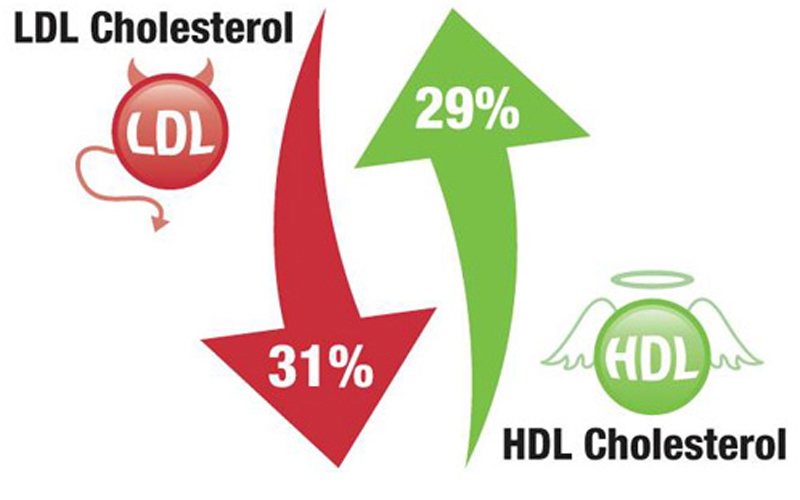
The Mayo Clinic conducted a study which found that all nuts are nutrient dense and naturally cholesterol free. Not only are nuts cholesterol free but, studies have suggested that eating pecans may help reduce LDL cholesterol levels, leading to a reduction in the risk of heart attacks and coronary artery disease. The serving size for nuts is about one ounce, which equals about 15 pecan halves. Pecans are a great staple for vegetarians, because one serving of pecans can take the place of the protein found in an ounce of meat. Pecans are also a rich source of oleic acid, the same type of fatty acid found in olive oil. Researchers from Northwestern University in Chicago recently found in laboratory tests that oleic acid has the ability to suppress the activity of a gene in cells thought to trigger breast cancer. While this area of study is still in its early stages, the researchers say it could eventually translate into a recommendation to eat more foods rich in oleic acid, like pecans and olive oil. Researchers from Loma Linda University in California and New Mexico State University in Las Cruces , New Mexico , have confirmed that when pecans are part of the daily diet, levels of “bad” cholesterol in the blood drop. Pecans get their cholesterol-lowering ability from both the type of fat they contain and the presence of beta-sitosterol, a natural cholesterol-lowering compound. Eating 1 ½ ounces of pecans a day, when its part of a heart-healthy diet, can reduce the risk of heart disease. Moreover, a study published in the June 2004 issue of the Journal of Agricultural and Food Chemistry found that pecans, hazelnuts, and walnuts contained the highest antioxidant levels of all nuts tested. The same natural compound that gives pecans its cholesterol-lowering power, has also been shown to be effective in treating the symptoms of benign prostatic hyperplasia (BPH), a non-cancerous enlargement of the prostate gland in men. About two ounces of pecans provides a dose of beta-sitosterol found to be effective. In addition, a recent laboratory study from Purdue University found that gamma-tocopherol, the type of vitamin E found in pecans, has the ability to kill prostate cancer cells while leaving healthy cells alone. Last but not least, despite the widely held belief that “nuts are fattening,” several population studies have found that as nut consumption increased, body fat actually decreased. To Your Health, John